
From Sindhu to Rising Stars – India’s Badminton Guide
Badminton isn’t just ruled by China or Indonesia anymore! With Sindhu winning Olympic medals and Lakshya slaying across Europe, India’s golden era is officially here.
This guide covers it all—history, rules, records, and how to bet. Whether you're a hardcore fan or just here for the thrill of betting, trust me—you’ll love this post.
BTW, you only need ₹50 to join the action.
Badminton History-1992 became an Olympic sport
Badminton can be a fun family gathering activity, but it can also be a serious professional sport. It requires speed, skill, and sharp tactics - especially on the pro level.
Back in the mid-19th century, badminton became increasingly popular among the British royal family. People used feathered shuttlecocks and simple rackets to casually rally on lawns.
FYI, The name Poonah came from Pune, India—because British officers stationed there were mad into this version of the game. They’d play it all day just to pass the time.
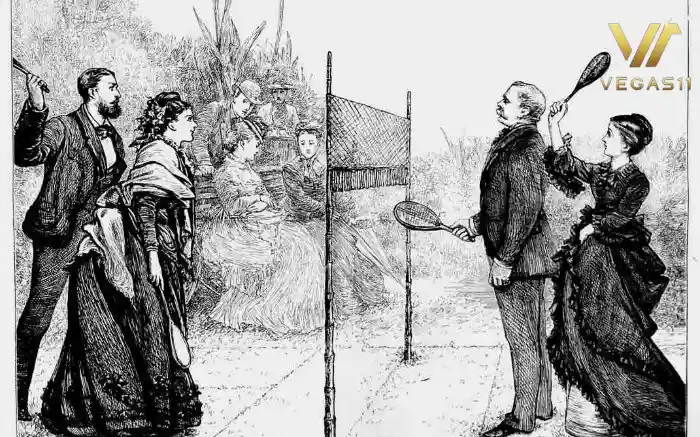
As it was introduced to British high society, the sport finally got its official name—Badminton.
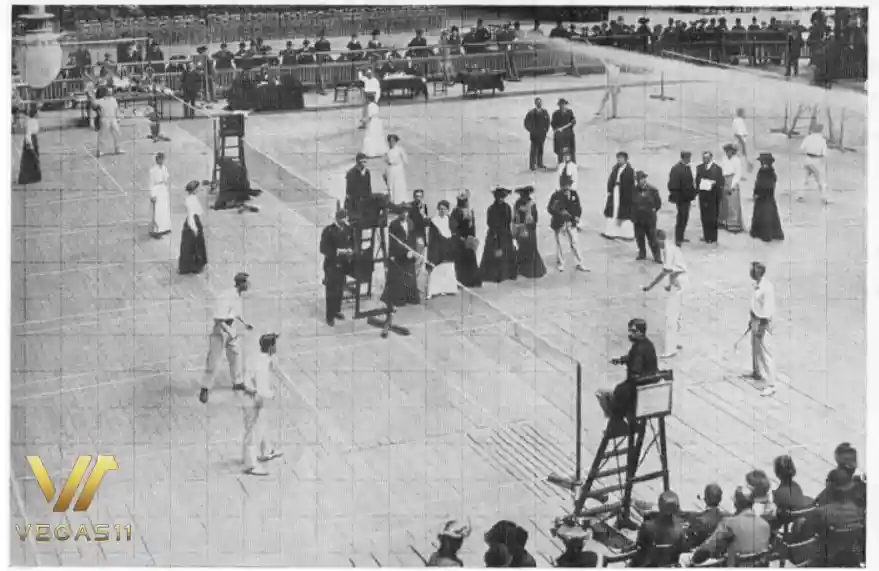
By the 20th century, the game started levelling up big time. It moved toward professionalization, leading to the creation of the Badminton World Federation (BWF). In 1992, badminton officially became an Olympic sport.
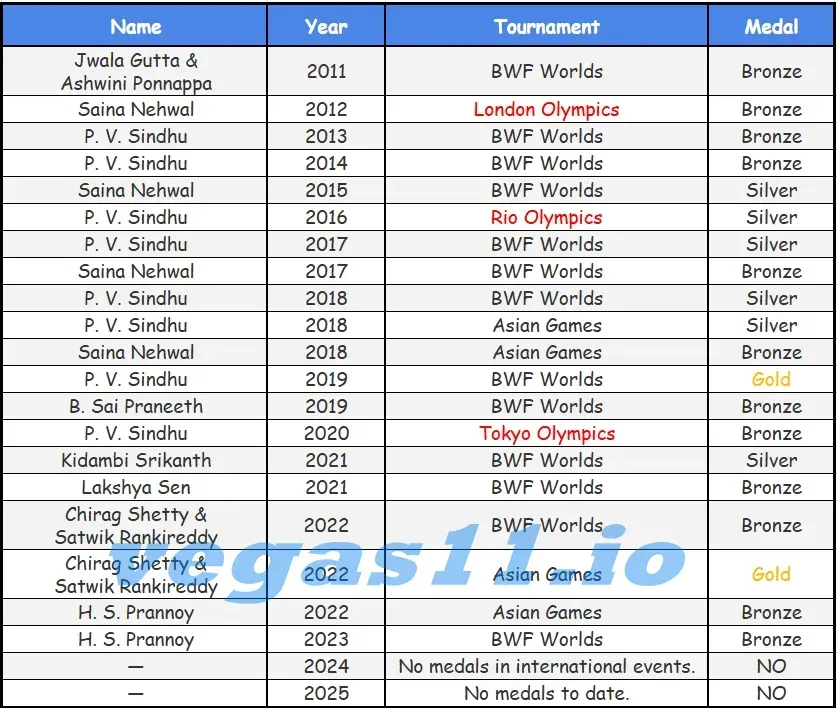
2011-2025 India’s Badminton Medal Wins
Here are the number of medals won by Indian players in international badminton tournaments:
| Name | Year | Tournament | Medal |
|---|---|---|---|
| Jwala Gutta & Ashwini Ponnappa | 2011 | BWF Worlds | Bronze |
| Saina Nehwal | 2012 | London Olympics | Bronze |
| P. V. Sindhu | 2013 | BWF Worlds | Bronze |
| P. V. Sindhu | 2014 | BWF Worlds | Bronze |
| Saina Nehwal | 2015 | BWF Worlds | Silver |
| P. V. Sindhu | 2016 | Rio Olympics | Silver |
| P. V. Sindhu | 2017 | BWF Worlds | Silver |
| Saina Nehwal | 2017 | BWF Worlds | Bronze |
| P. V. Sindhu | 2018 | BWF Worlds | Silver |
| P. V. Sindhu | 2018 | Asian Games | Silver |
| Saina Nehwal | 2018 | Asian Games | Bronze |
| P. V. Sindhu | 2019 | BWF Worlds | Gold |
| B. Sai Praneeth | 2019 | BWF Worlds | Bronze |
| P. V. Sindhu | 2020 | Tokyo Olympics | Bronze |
| Kidambi Srikanth | 2021 | BWF Worlds | Silver |
| Lakshya Sen | 2021 | BWF Worlds | Bronze |
| Chirag Shetty & Satwik Rankireddy | 2022 | BWF Worlds | Bronze |
| Chirag Shetty & Satwik Rankireddy | 2022 | Asian Games | Gold |
| H. S. Prannoy | 2022 | Asian Games | Bronze |
| H. S. Prannoy | 2023 | BWF Worlds | Bronze |
| — | 2024 | No medals in international events. | NO |
| — | 2025 | No medals to date. | NO |
Also a football fan besides badminton? Don’t miss this: FC Barcelona 2025-26 Guide: Fixtures, Stadium, Trophies & Players
India’s Badminton Glow-Up in Recent Years
Since 2011, India’s been showing up big time on the international badminton scene—and the trophies haven’t stopped coming!
With solid government support and training hubs like Gopichand Academy grinding behind the scenes, India’s rising game is no accident.
Southern states like Tamil Nadu, Andhra Pradesh, and Kerala have become total badminton hotspots.
And let’s not forget the Badminton Association of India, around since 1934—holding it down with national tournaments, club support, and player development across the board.
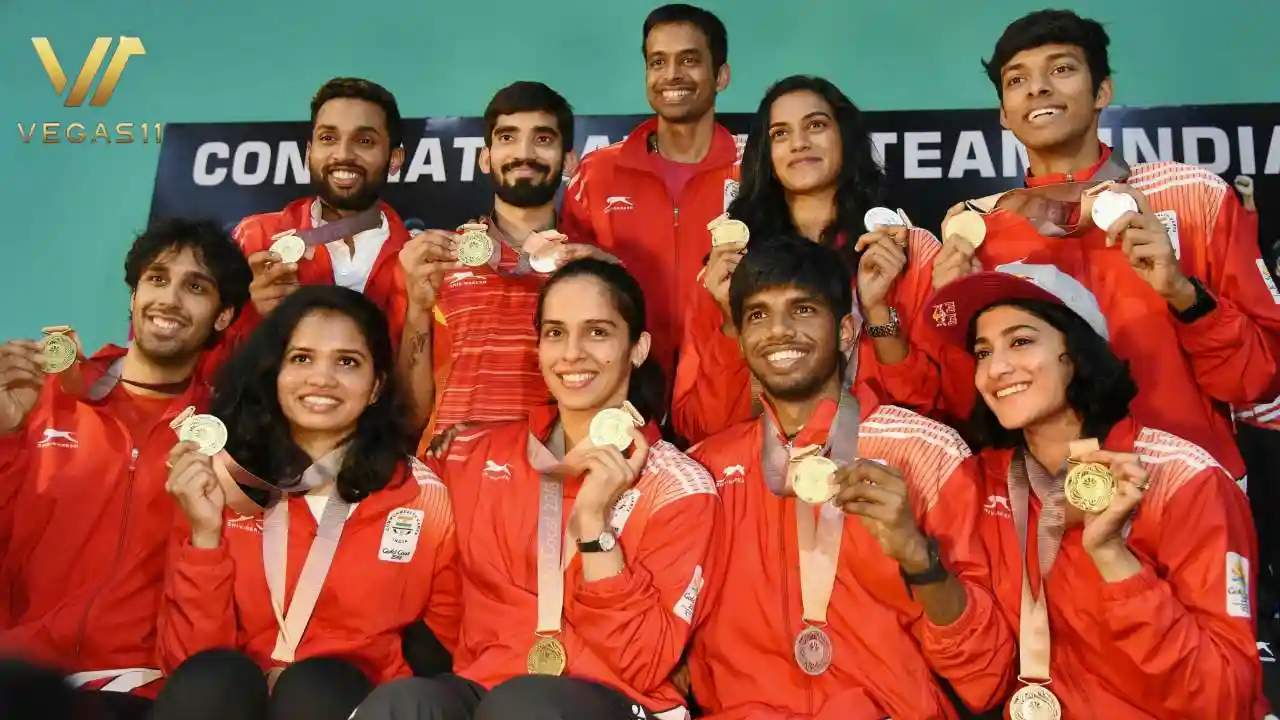
Team India’s been turning heads on the global court! From the Olympics and World Championships to the Asian Games, Thomas Cup, and Sudirman Cup—they’ve shown up and shown out.
Since 2012, India’s been battling it out with the OGs—China, Indonesia, Japan, Taiwan, and Korea—and the world’s finally giving Indian badminton the respect it deserves.
Top Indian Badminton Stars You Should Know
India’s shuttlers have been killing it lately. From smashing singles to dynamic doubles, desi players are making serious waves globally.
Their wins aren’t just about medals—they’re turning badminton into a full-blown movement across every corner of India.
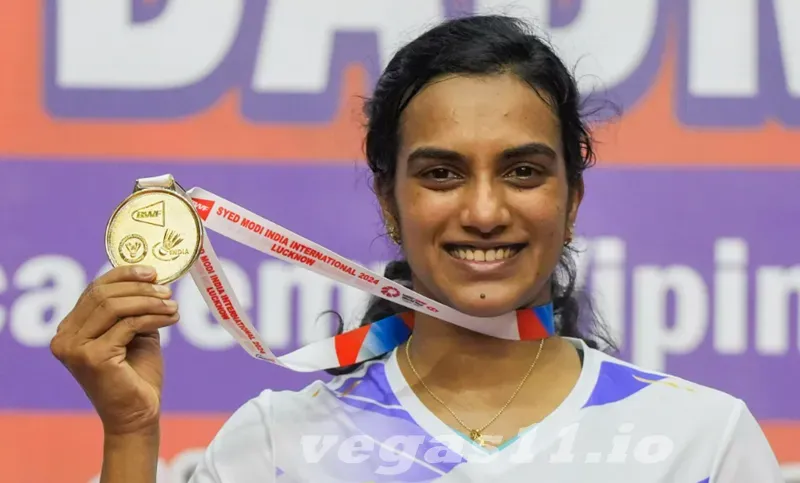
P. V. Sindhu-Born in 1995
- Olympic Glory: Silver in Rio 2016🥈, Bronze in Tokyo 2020🥉.
- World Champion: First Indian to win gold at the 2019 BWF World Championships🥇.
- Sindhu, known for her explosive power, deep-court attacks, and killer stamina—her height gives her a major edge.
- A true icon for young girls across India. She’s received national honors like the Padma Bhushan, and continues to inspire the next gen of shuttlers.
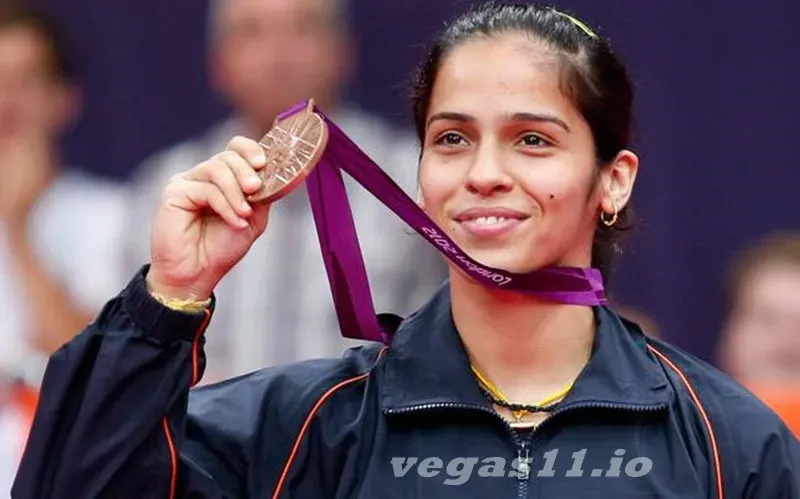
Saina Nehwal-Born in 1990
- She got a bronze at the 2012 London Olympics🥉, becoming a total game-changer for the sport in India.
- In 2015, she hit World No.1 in women’s singles—slayyyy queen.
- Known for her all-round skills, smart tactics, and solid mental game.
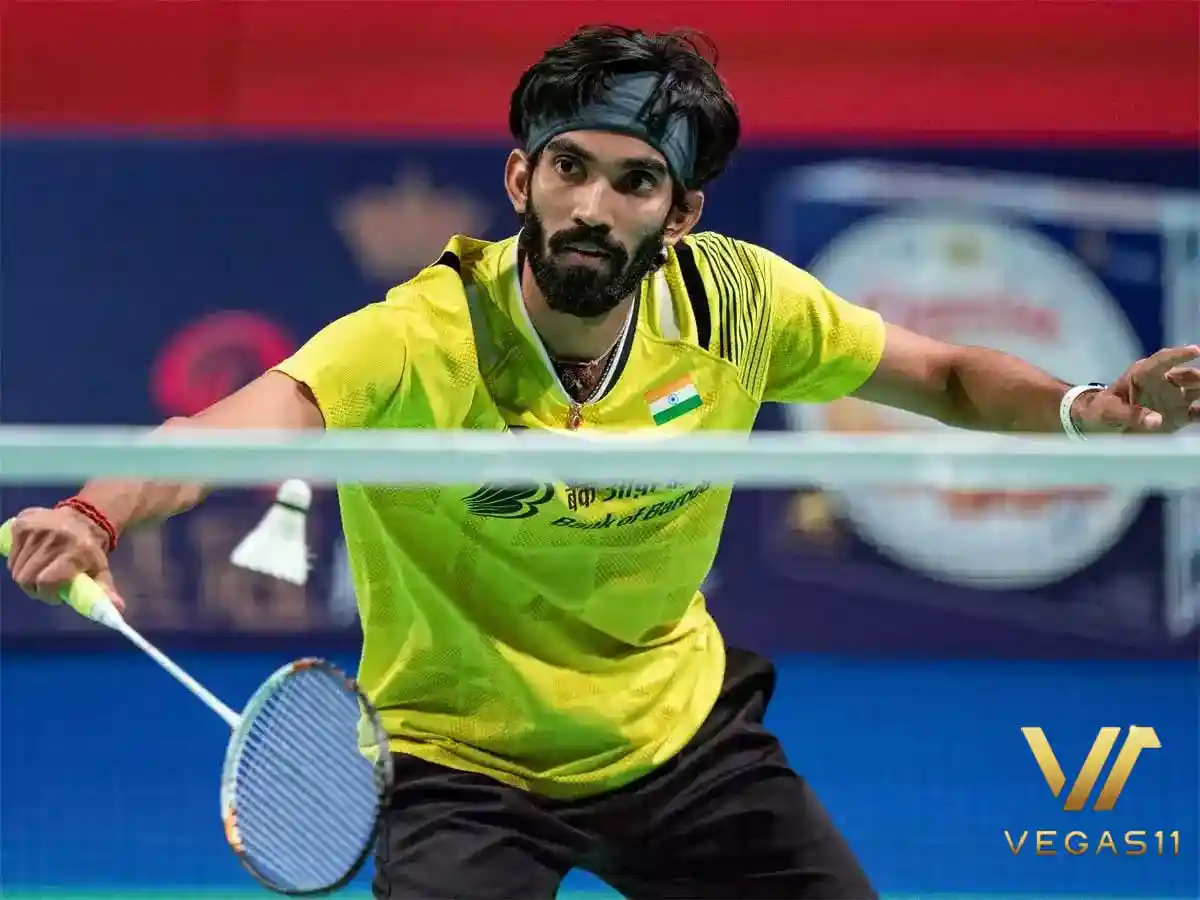
Kidambi Srikanth-Born in 1993
- A top singles player, Srikanth dominated 2017 by winning four Super Series titles (Indonesia, Australia, Denmark, France— all in one year!).
- Full-power offense with razor-sharp attacks.
- He also lit up the World Championships 2018 and the Thomas Cup 2021.
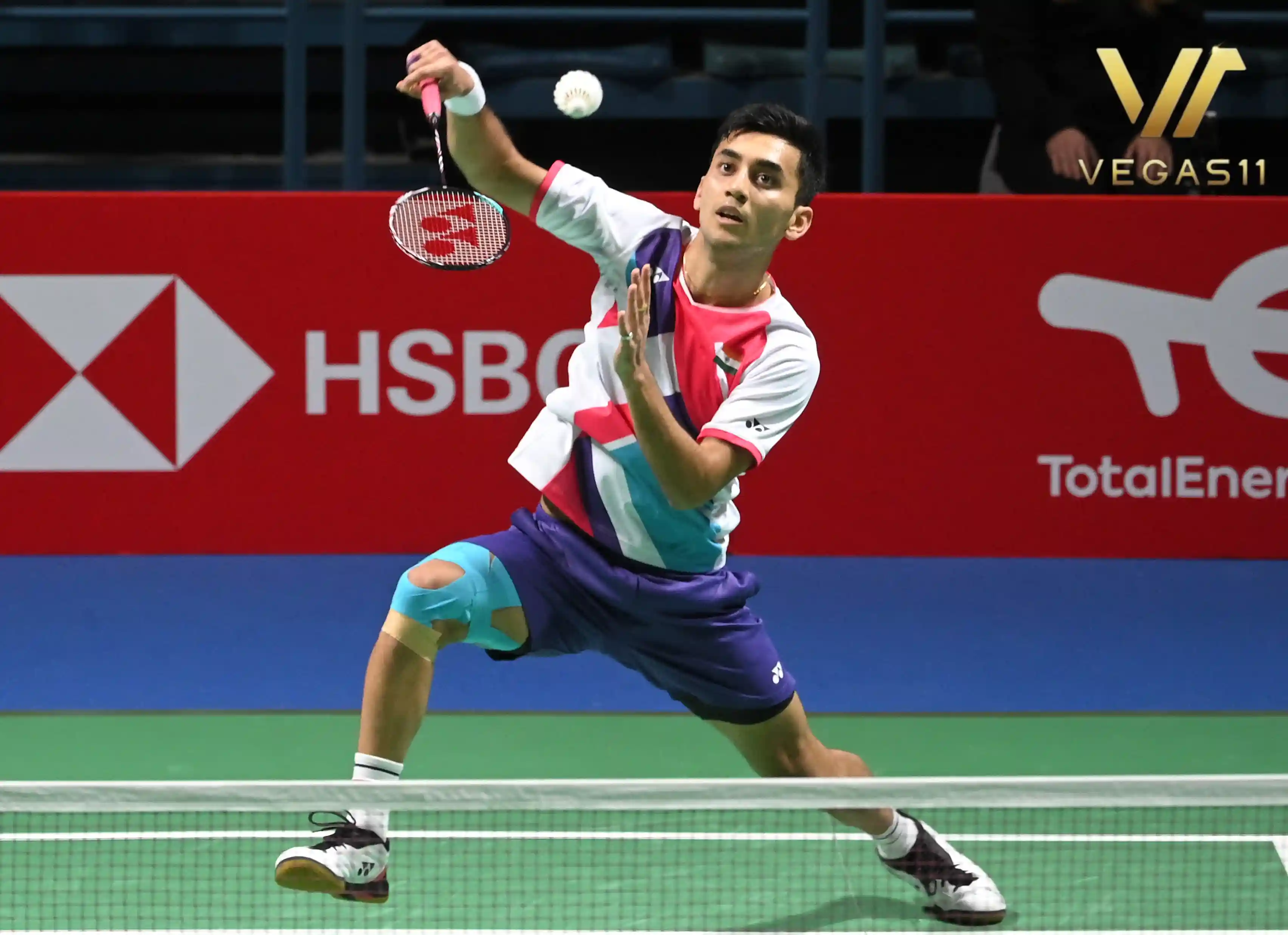
Lakshya Sen-Born in 2001
- Lakshya’s got that perfect blend—speed, angles, and finesse.
- He was runner-up at the 2022 All England Open and cracked the world top 10 the same year.
- Coming from a legendary badminton fam, with both his dad and brother in the game.
Also a cricket buff? Check out: The 10 Best Batsmen in IPL History
Who’s the Father of Indian Badminton?
That title goes to Prakash Padukone—a true legend.
He was the first Indian to win the All England Open in 1980 and later founded the Prakash Padukone Badminton Academy, which has trained tons of top-tier players.
Oh, and fun fact: his dad was a badminton coach too!
Who Trained Sindhu & Nehwal?
The man behind India’s modern badminton legends is Pullela Gopichand.
He’s the coach who shaped the careers of stars like: P. V. Sindhu, Saina Nehwal, Kidambi Srikanth, Lakshya Sen.
India’s First Olympic Badminton Medalist
Saina Nehwal made history at the 2012 London Olympics, becoming India’s first-ever Olympic badminton medalist with a bronze in women’s singles. YASS QUEEN!
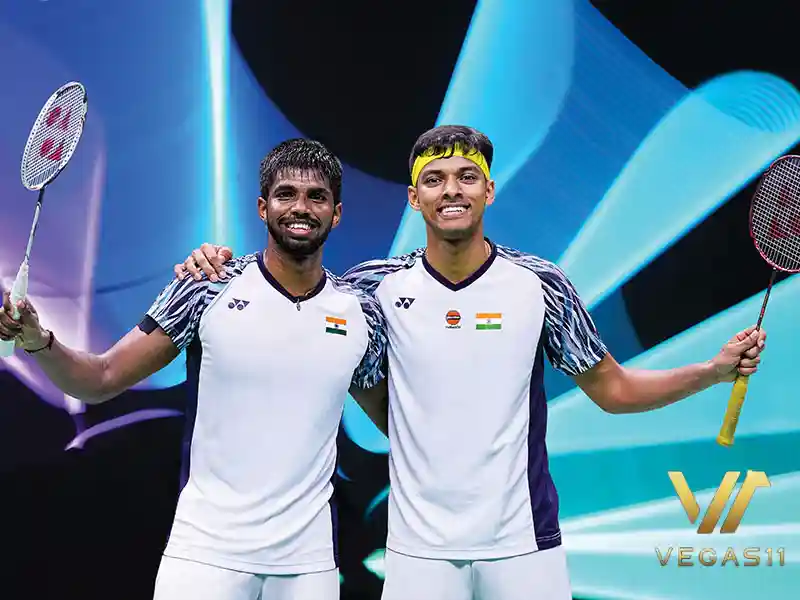
Satwiksairaj Rankireddy 2000 & Chirag Shetty 1997
- These two are built different—fast-paced, aggressive, and totally in sync.
- They won gold at the 2022 Commonwealth Games and multiple World Tour titles.
- With Satwik bringing the smash power and Chirag handling control like a pro, their combo is pure fire.
- Thanks to them, India finally stepped up in doubles and broke the long-standing “only singles” dominance.
How to Bet on Badminton?
There are 3 hot favorites when it comes to badminton betting: Moneyline, Match Points Handicap, and Over/Under.
Moneyline is the easiest for beginners—just pick who wins the match. That’s it!
Let’s break down the main options:
- Moneyline: Who’s gonna win? Just pick the winner.
- Game 1 Winner: Predict who takes the first game.
- Match Points Handicap: Bet with a point spread. E.g., Tarun +6.5 means he gets 6.5 extra points—then see who wins.
- Game 1 Points Handicap: Same as above, but only for Game 1.
- Match Points Over/Under: Bet if the total match score is over or under a set number.
- Game 1 Points Over/Under: Same thing, but just for the first game.
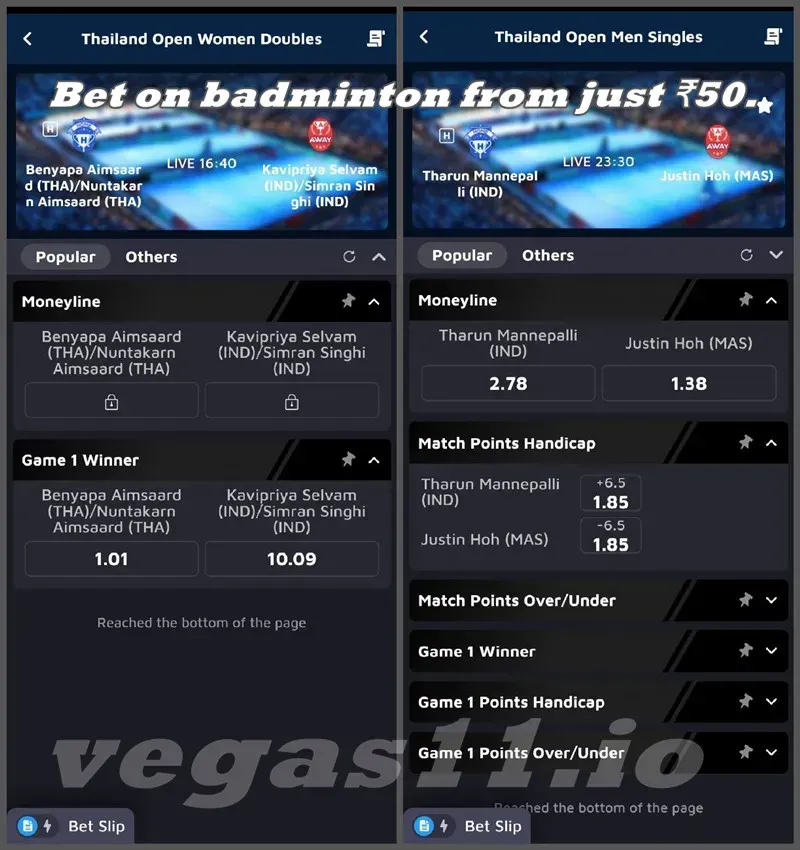
Wanna bet on badminton in India? Your best shot is Vegas11 —one of the few platforms that offers badminton betting.
Place a bet with just ₹50, the lowest entry across the web!
Also into cricket betting? Check out our guide: How to Bet on Cricket: Registration & Odds Guide
Badminton Rules & Court Setup
Badminton may look easy, but it’s a total game of strategy and stamina.
Whether you're just starting out or going pro, knowing the rules and court setup is important.
Badminton Court Size & How It’s Split Up
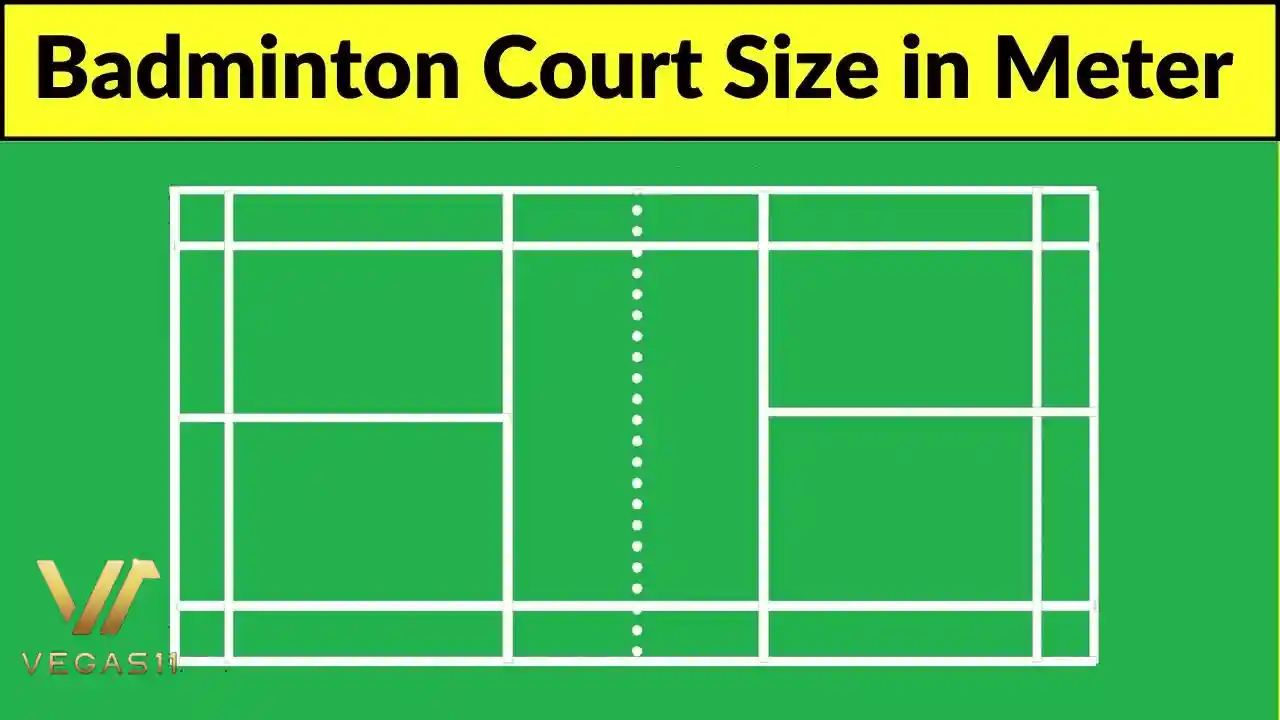
- Length: 13.4 m
- Singles Width: 5.18 m
- Doubles Width: 6.1 m
- Court is split down the middle into left and right service areas, each with front and back zones.
- In doubles, the service box is wider but shorter; in singles, it’s the opposite.
Here's something you need to know, indoor courts need proper lighting and ventilation. Floors are usually anti-slip wood or PVC. Ceiling height should be at least 9m to avoid shuttle hits.
Pro venues now use LED lights with high color rendering to reduce glare and boost visibility.
Badminton Equipment
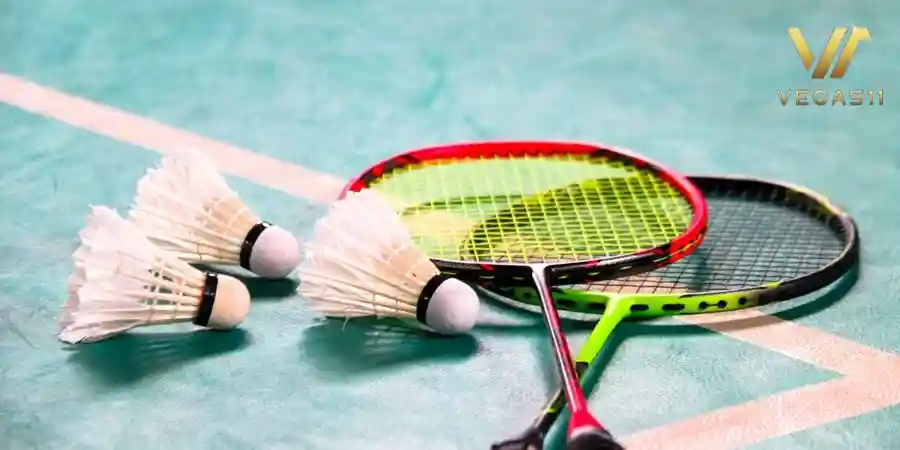
- Shuttlecock: Weighs 4.74–5.50g, usually made with 16 goose feathers.
- Racket: 70–100g. Types vary—lightweight (control), balanced, or heavy (power).
- String Tension: Amateurs: 20–24 lbs; Pros: 26–30 lbs (for higher control & speed).
Players often customise string brands, grip thickness, and tension based on their playstyle for better comfort and control.
Match System and Scoring Rules
| Rule Item | Description |
|---|---|
| Match Format | Best of three games |
| Scoring System | Rally point system; first to 21 points wins the game |
| Tie Situation | If tied at 20–20, a 2-point lead is required to win; max score is 30 |
| Intervals | 60 to 120 seconds break between and during games |
Serve & Return Rules
- Server must stand behind the service line, feet flat and still.
- The shuttle must be hit upwards, and contact point must be below the chest (as per BWF 2018 rules).
- Serve must go diagonally and land inside the correct service box to count.
- In doubles: After scoring, servers switch sides; if you lose the point, the opponent serves.
Major tournaments use the Instant Review System to check serve faults.
Faults & Violations
- Shuttle doesn’t cross the net, lands out, or mis-hits.
- Touching the net with body or racket
- Hitting the shuttle before it crosses the net, double hits by the same team.
- Delays, misleading actions, or slow serves may get you a warning, penalty point, or even disqualification from the umpire.
10 basic badminton rules for beginners
- A coin toss decides who serves first or chooses court side. The loser picks the remaining option.
- Players must not touch the net—neither with their racket nor their body.
- The shuttle must not rest on the racket or be carried before hitting.
- You can't hit the shuttle downward from above the net.
- Serves must go diagonally into the opponent's service box.
- Don’t step on the service line, and make sure the shuttle is hit below waist level.。
- Each rally won scores 1 point.
- If the shuttle lands inside the opponent’s court or if they make a fault, you get the point.
- Players can hit the shuttle only once per return—no double hits allowed.
- If the shuttle hits the ceiling, it's considered a fault.